What It Means to Be a NETA-Certified Electrician
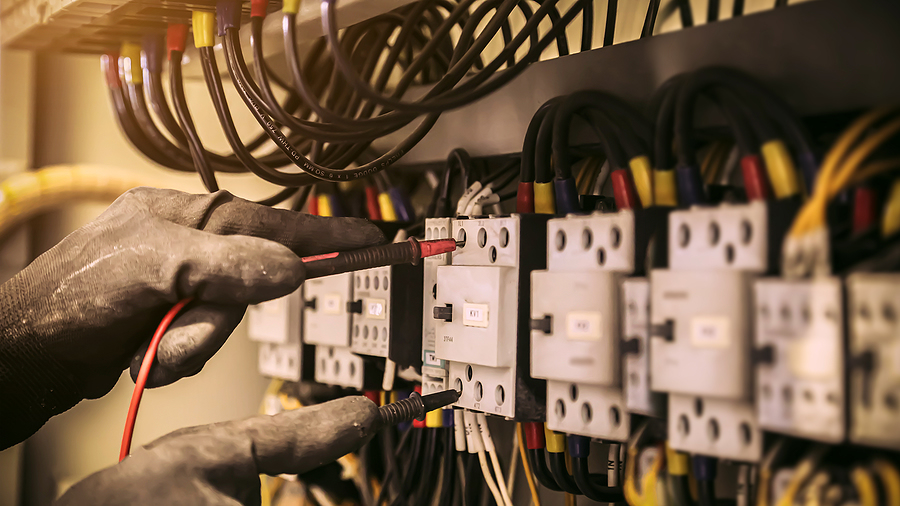
Electrical work is more than just connecting wires and flipping breakers. In critical facilities like hospitals, data centers, and industrial plants, electrical systems must perform flawlessly. That’s where NETA certification comes in—a credential that separates experienced electrical testing professionals from the rest of the field.
Understanding NETA
The InterNational Electrical Testing Association (NETA) is an accredited standards-developing organization that creates specifications for electrical equipment testing and maintenance. Founded in 1972, NETA has become the gold standard for electrical testing professionals who specialize in commissioning, acceptance testing, and maintenance of electrical power systems.
Being NETA-certified means you’ve demonstrated expertise in testing and maintaining electrical equipment from switchgear and transformers to protective relays and battery systems. It’s not just about installation—it’s about ensuring that electrical systems operate safely, reliably, and according to specifications.
The Certification Levels
NETA offers different levels of certification that reflect increasing expertise:
Level I Technician handles basic testing procedures under supervision, working with equipment like multimeters, megohmmeters, and basic test sets.
Level II Technician performs more complex testing independently, including relay testing, transformer diagnostics, and circuit breaker analysis.
Level III Technician represents the highest technical level, capable of performing sophisticated testing procedures, analyzing complex systems, and often supervising testing teams.
Level IV Technician focuses on management and advanced technical leadership, overseeing large-scale testing projects and ensuring quality control across operations.
What the Certification Process Involves
Becoming NETA-certified requires more than just taking a test. Candidates must demonstrate substantial field experience—typically ranging from two to ten years depending on the certification level. The examination process tests both theoretical knowledge and practical skills, covering topics like electrical theory, safety standards, testing procedures, and equipment operation.
The certification isn’t a one-time achievement either. NETA-certified technicians must maintain their credentials through continuing education and recertification, ensuring they stay current with evolving technologies and standards.
Why NETA Certification Matters
For electricians working in the testing and maintenance field, NETA certification opens doors. Many facility owners, engineers, and contractors specifically require NETA-certified technicians for critical projects. The certification signals that you possess specialized knowledge in areas most electricians never encounter, such as protective relay coordination, high-voltage testing, and power system analysis.
From a safety perspective, NETA certification emphasizes rigorous adherence to testing protocols and safety procedures. Certified technicians understand the hazards of working with energized equipment and follow strict guidelines to protect themselves, their colleagues, and the facilities they serve.
The Day-to-Day Reality
NETA-certified electricians work in a specialized niche. Rather than roughing in circuits or pulling wire, they arrive after installation to verify that everything works as designed. They test transformers to ensure proper insulation, calibrate protective relays to trip at precisely the right moment, and perform infrared scans to detect hot spots before they become failures.
The work is detailed and methodical. A single switchgear commissioning project might take days or weeks, with hundreds of individual tests documented and analyzed. It’s technical work that requires patience, precision, and a deep understanding of electrical systems.
Is NETA Certification Right for You?
If you’re an electrician interested in the testing and maintenance side of the profession, NETA certification represents a clear career path. It’s ideal for those who enjoy troubleshooting, working with sophisticated test equipment, and diving deep into the technical aspects of electrical systems.
The certification requires commitment—both in terms of gaining the necessary experience and studying for the examinations. But for electricians seeking to specialize and differentiate themselves in a competitive field, NETA certification offers tangible benefits in terms of job opportunities, earning potential, and professional recognition.
Looking Forward
As electrical systems become more complex with the integration of renewable energy, smart grid technologies, and advanced control systems, the role of NETA-certified technicians becomes increasingly vital. They’re the professionals who ensure that sophisticated electrical infrastructure operates reliably and safely.
For electricians willing to invest in specialized training and certification, NETA offers a pathway to a rewarding career at the intersection of electrical theory and practical testing expertise. It’s a credential that commands respect in the industry and opens doors to challenging, technical work on some of the most critical electrical systems in operation today.